TMS THERAPY IN NEW JERSEY

TMS Therapy in Forked River, NJ

Targeted, drug-free magnetic therapy for adults with treatment-resistant depression — administered in private treatment spaces at our Forked River location.

5 five-star reviews and counting

  • Drug Free
  • Zero Downtime
  • Non-Invasive
  • Private Treatment Space

Forked River at a Glance

Oasis Mental Health Centers in Forked River offers TMS therapy, a drug-free and non-invasive treatment for depression, to patients in Forked River and surrounding areas.

Treatments Available

TMS therapy uses targeted magnetic stimulation to treat depression that has not responded to medication — drug-free and non-invasive. Oasis Mental Health Centers in Forked River offers it alongside Spravato® treatment, so you can review both options with a provider before deciding.

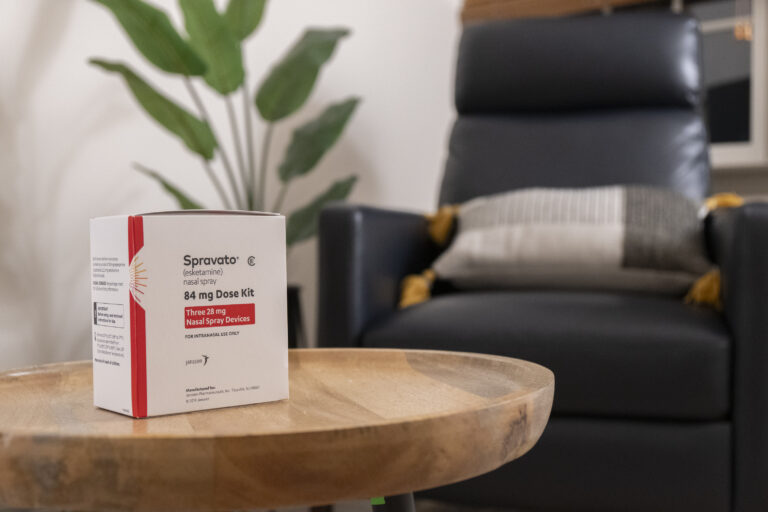
Spravato® nasal spray kit and treatment space at Oasis Mental Health Centers in Bridgewater

Spravato

FDA-approved esketamine nasal spray for treatment-resistant depression, administered with on-site monitoring.

Learn more →
Amenities

Languages Spoken

Address
34 Manchester Ave
Suite 202
Forked River, NJ 08731
Hours
Monday to Friday, 8:00 AM to 6:00 PM
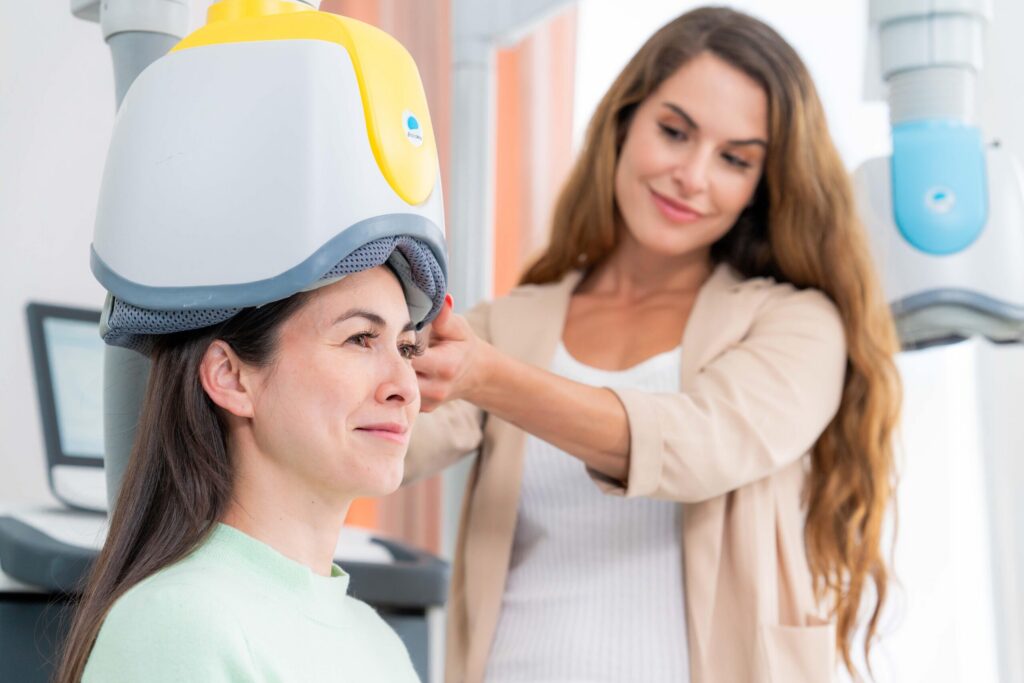
Female receiving TMS treatment

What TMS Therapy is, and how it works

TMS (transcranial magnetic stimulation) uses gentle magnetic pulses to activate areas of the brain involved in mood regulation. These are the same regions that tend to underperform in major depressive disorder.

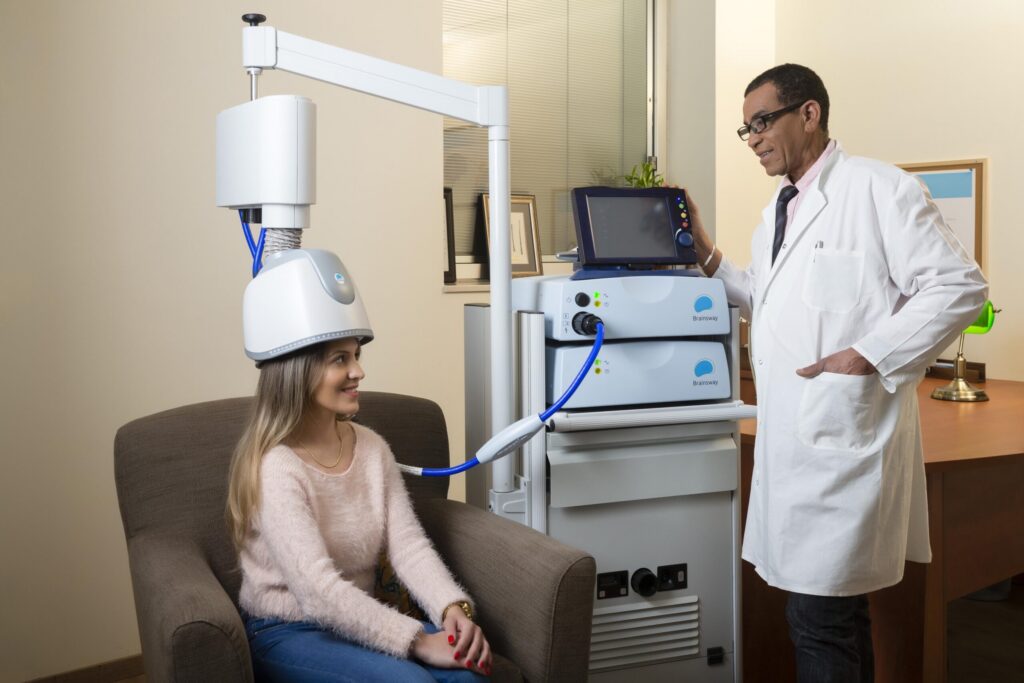
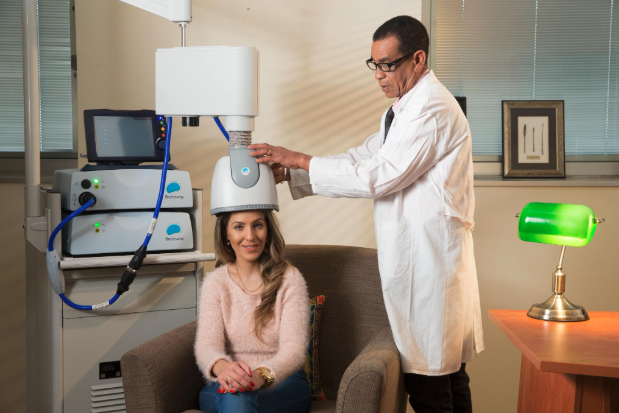
During treatment you sit in a chair, awake and alert, while a cushioned coil rests against your scalp. You can read, listen to music, or just rest. It's FDA-cleared for major depressive disorder and is performed right here in our office. No hospital, no anesthesia. Targeted specifically for a non-drug, non-medication, brain stimulation, as a stand alone treatment or to fit into your existing treatment or alongside your existing medication.
Book A Free TMS Consultation

Doctor and patient during TMS treatment

Is TMS Therapy right for you?

TMS may be a fit if you:

  • Have been diagnosed with major depressive disorder
  • Haven't gotten enough relief from antidepressant medication
  • Want an option without the systemic side effects of medication

TMS isn't for everyone. It's not used if you have metal in or around the head (like aneurysm clips or cochlear implants). A history of seizures doesn't automatically rule it out, but it's something to discuss with your provider. The fastest way to know: book a consultation and we'll review your history together.
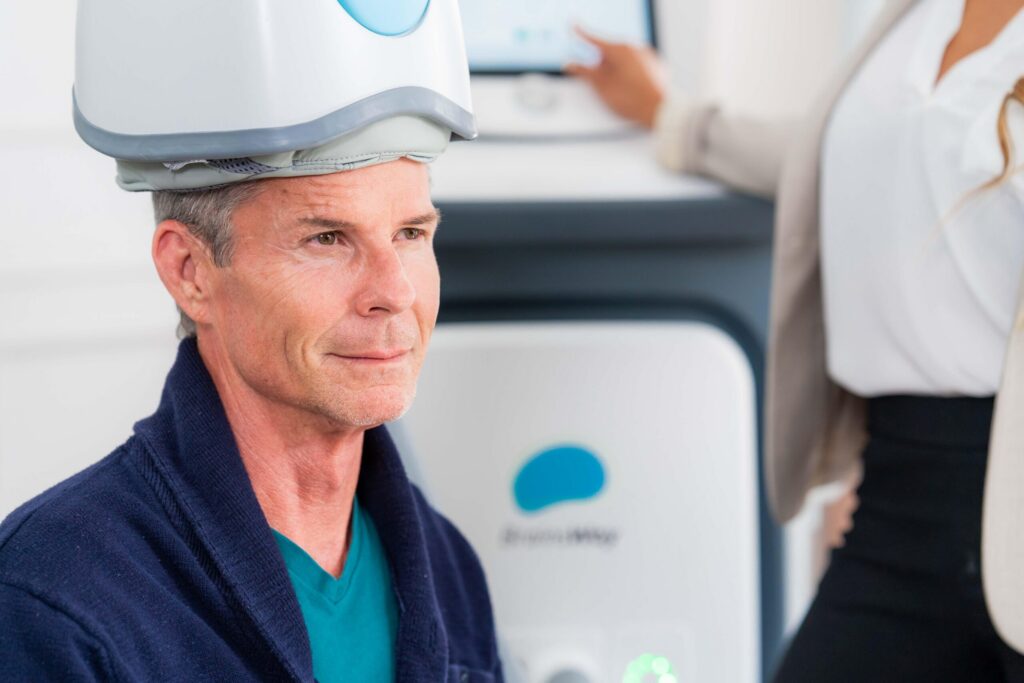
Man getting TMS treatment

What to Expect

A typical course is five sessions a week for four to six weeks — about 36 sessions total. Each visit lasts roughly 20–40 minutes, and there's no downtime: most people go straight back to work or their day. The most common side effects are mild scalp discomfort or headache during the first week, which usually fade as treatment continues. Serious side effects are rare. You'll meet with your care team regularly so we can track how you're responding and adjust if needed.
How TMS for depression compares to other types of treatments

No single treatment is right for everyone. We think TMS is one of the most effective solutions available with up to 82% of patients experiencing significant symptom relief and fewer long-term side effects. And when compared to traditional antidepressants, this medication-free, FDA-approved approach has fewer side effects.

Here’s how they differ on the things patients ask about most.

Compare
TMS
ECT
Medication
Spravato
Talk therapy
Drug-free
Yes
Yes
No
No
Yes
No anesthesia or sedation
Yes
No
Yes
Yes
Yes
Drive yourself home after
Yes
No
Yes
No
Yes
No memory loss
Yes
No
Yes
Yes
Yes
No daily pills
Yes
Yes
No
No
Yes
Zero downtime, back to your day
Yes
No
Yes
No
Yes
FDA-cleared or approved for depression
Yes
Yes
Yes
Yes
No
How it works
Focused magnetic pulses stimulate the brain areas that regulate mood. No drugs, no surgery.
Brief, controlled electrical stimulation under anesthesia triggers a short seizure that can reset brain chemistry in severe depression.
Daily pills that adjust brain chemistry body-wide.
Nasal spray that acts on glutamate, a different pathway than standard antidepressants. Given in-clinic with monitoring.
Regular sessions with a therapist to change patterns of thought and behavior driving depression.
Time commitment
5 days a week for 4 to 6 weeks. Sessions run 20 to 40 minutes.
2 to 3 times per week for 2 to 4 weeks. Half-day appointments with prep and recovery.
A pill a day. Each drug takes 4 to 6 weeks to judge; many people try several.
Twice a week for 4 weeks, then weekly. Every visit includes 2-hour monitoring.
Weekly 45 to 60 minute sessions for months, ongoing as needed.
Common side effects
Mild scalp tingling or headache in early sessions. Fades for most people.
Headache, muscle soreness, confusion after treatment. Short-term memory gaps.
Weight gain, sexual side effects, nausea, sleep changes, mental fog. Varies by drug.
Dissociation, dizziness, nausea, blood pressure rise during monitoring.
None physical. Sessions can feel emotionally heavy.
Best for
Depression that has not lifted with medication, or when drug side effects are intolerable.
Severe, urgent, or highly treatment-resistant depression when rapid response matters.
First-line treatment for most people. Often combined with TMS or therapy.
Treatment-resistant depression in adults already taking an antidepressant.
Mild to moderate depression, or paired with TMS or medication.

Individual results vary. Your provider will help you compare options for your situation.

PROVIDERS

Meet the team at our Forked River office

Our Forked River team works closely with each patient to design a TMS therapy plan that fits.

Real results

This is not a leap of faith. It is a studied treatment with published results.

In an independent head-to-head study, 59.7% of patients treated with Deep TMS reached remission, meaning their depression symptoms were essentially gone. That is more than five times the remission rate of medication alone (11.1%).

In the large multicenter trial that led to FDA clearance of the Brainsway Deep TMS device, 38.4% of patients responded to treatment and 32.6% reached full remission, significantly higher than the sham group.

The benefits last. In 12-month follow-up data on the accelerated TMS protocol, fewer than 1 in 4 patients needed a medication change or another round of TMS.

Individual results vary, and your provider will walk through what these numbers mean for your situation.

Book My Free TMS Consultation

Filipcic et al., Journal of Psychiatric Research, July 2019; Levkovitz et al., World Psychiatry, 2015; Brainsway SWIFT 12-month durability data, Clinical TMS Society Annual Meeting, 2026.

Covered by major insurance providers

We work with the VA and accept most major insurance providers. Typical copays range from $5–$100 depending on your plan and treatment.

What to Expect Before Your First Appointment

Getting started with Oasis Forked River is simple.

  1. 01

    Book a consultation

    Start by requesting a consultation with the Oasis team.

  2. 02

    Share your basic information

    The team will collect the information needed to understand your treatment goals and insurance details.

  3. 03

    Review your treatment options

    Oasis will help determine whether TMS therapy, Spravato® treatment, or another care path may be appropriate.

  4. 04

    Confirm insurance coverage

    Your benefits will be reviewed before treatment begins, so you understand your coverage and next steps.

  5. 05

    Schedule your care

    If Oasis Forked River is the right fit, the team will help coordinate your appointment schedule.

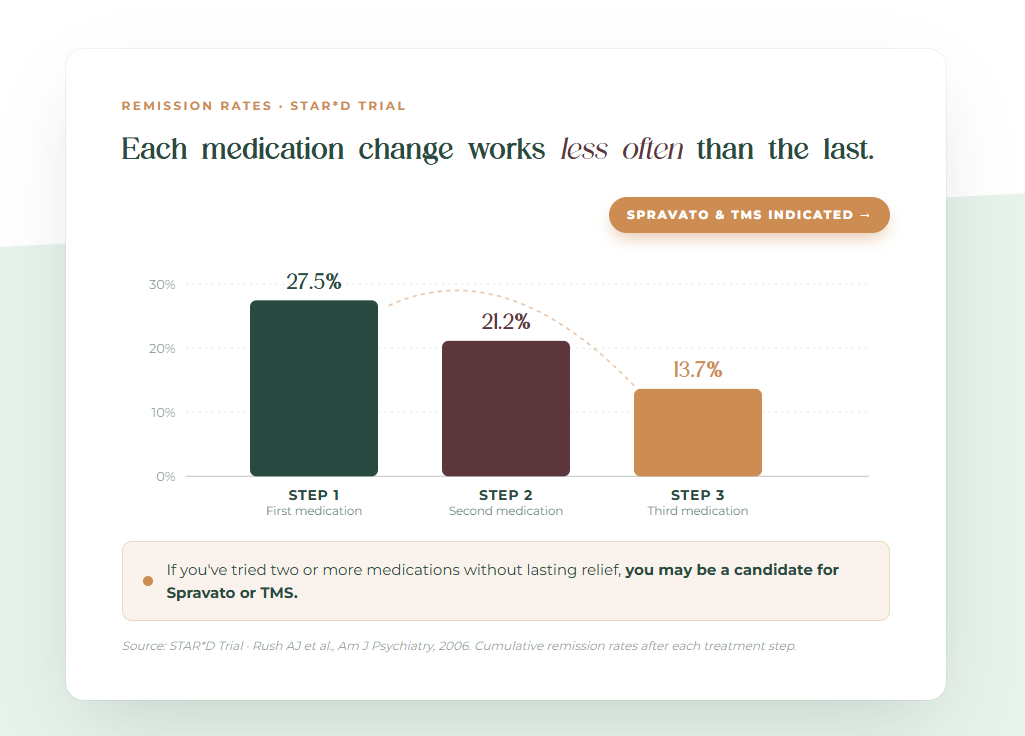
Spravato and TMS treatment remission rates chart illustrating medication change effectiveness for depression relief.

FAQ

Common questions about TMS therapy in Forked River

Don’t see your question? Book a free consultation and we’ll walk you through it.

Does Oasis Forked River offer TMS therapy?

Yes. Oasis Mental Health Centers in Forked River offers TMS therapy for eligible patients with depression.

Does Oasis Forked River offer Spravato® treatment?

Yes. Oasis Forked River offers Spravato® treatment for eligible adults with treatment-resistant depression.

Does TMS hurt?

Most people feel a tapping sensation on the scalp. It's not painful for most patients, and any discomfort typically fades after the first week.

How long does treatment take?

Five sessions a week for four to six weeks, about 20–40 minutes each.

Will my insurance cover it?

Usually yes, when medication hasn't worked. We verify your benefits before you start.

Can I drive myself to appointments?

Yes. There's no sedation and no recovery time.

Is transcranial magnetic stimulation therapy safe?

Yes. TMS is an FDA-cleared treatment, which means it’s safe to administer to patients. It’s also non-invasive.  Deep TMS treatment has been demonstrated in clinical trials and actual practice usage to be well-tolerated.

What is the best TMS therapy for depression?

Deep TMS is an advanced, noninvasive treatment developed by BrainsWay for alleviating symptoms of mental health conditions, including Major Depressive Disorder (MDD). Unlike traditional TMS, which uses a figure-8 coil to stimulate superficial brain regions, Deep TMS employs a patented H-Coil within a helmet apparatus to target deeper and broader brain structures associated with depression. This approach enhances the regulation of neural activity in areas implicated in MDD, potentially offering improved outcomes for patients. 

What are transcranial magnetic stimulation side effects?

TMS therapy is a well-tolerated treatment for most patients, although it does not work for everyone. The most common side effects are temporary, mild pain or discomfort in the area of the treatment site, typically occurring within the first week of treatment. TMS side effects usually manifest as headaches in about half of patients treated with BrainsWay’s therapy. Those that have been reported are mild and generally diminish over the course of the treatment.

What insurance does Oasis accept?

All New Jersey-based and most major insurance providers, including Medicare, Medicaid, Blue Cross Blue Shield, Aetna, Cigna, and UnitedHealthcare, cover both Spravato® and TMS for treatment-resistant depression when certain criteria are met. Coverage varies by plan and medical necessity requirements.

Do I need a referral?

Some patients may be referred by a provider; others may contact Oasis directly. The team can help you understand what's needed based on your insurance plan and treatment path.

How do I start depression treatment at Oasis Forked River?

The first step is to book a consultation. The Oasis team will review your information, discuss treatment options, and help verify your insurance benefits.

VISIT US

Serving Forked River & County

34 Manchester Ave, Suite 202
Forked River, NJ 08731
Phone: (609) 439-4304

Convenient parking, private treatment spaces, caregiver waiting areas, Wi-Fi and power outlets on site. Patients visiting for Spravato® treatment may need to arrange transportation home — the Oasis team will explain appointment requirements before treatment begins.

Patients Visit From

Book a free TMS consultation

If you’re considering TMS therapy for treatment-resistant depression, Oasis Mental Health Centers in Forked River can help you find out whether it’s the right fit.

Get clear answers about eligibility, insurance, scheduling, and what to expect.