







When people talk about treating depression, they usually mean medication. An antidepressant prescribed by a doctor, taken daily, adjusted over time. For many people, that approach works well.
But for the millions of people with treatment-resistant depression, medication is only part of the picture. FDA-cleared and FDA-approved clinical treatments like TMS and Spravato® work through completely different brain pathways, produce results in days rather than weeks, and are covered by insurance. Most patients who qualify have simply never been told they exist.
This guide breaks down the difference between depression medication and depression treatment, and helps you figure out which path makes sense for where you are right now.
What Do We Mean by “Medication” vs. “Treatment” in Mental Health?
A common confusion shapes how most people think about depression care: the words treatment and medication are used interchangeably, when they actually mean very different things. “I am getting treatment now” usually means “I started an antidepressant.”
This language gap hides other powerful options.
Here’s a clearer way to think about it.
Medication refers to pharmaceutical drugs like SSRIs (Selective Serotonin Reuptake Inhibitors), SNRIs (Serotonin and Norepinephrine Reuptake Inhibitors), mood stabilizers, antipsychotics, and anti anxiety medicines.
Treatment of mental health issues, on the other hand, involves various methods including a combination of therapy and medication, crisis planning, and lifestyle interventions. Physical therapy and lifestyle changes can also be integral parts of treatment plans, particularly when daily functioning is affected by chronic pain or inactivity alongside depression.
A comprehensive treatment plan might include:
- Psychotherapy (cognitive behavioral therapy CBT, dialectical behavior therapy, psychodynamic therapy, interpersonal therapy)
- Neuromodulation (such as TMS – Transcranial Magnetic Stimulation, a drug-free brain stimulation therapy)
- Interventional options (such as Spravato®, an FDA-approved nasal spray)
- Medication management-regular follow-up visits, side-effect monitoring, dosage adjustments, and safe tapering
- Lifestyle modifications (sleep regulation, exercise, substance use reduction)
For certain medications and conditions like bipolar disorder and psychotic disorders, medication remains foundational. But for millions of people with treatment-resistant depression, medication alone has not been enough. The good news is that the treatment category is far larger than most people realize, and the options covered in this guide are FDA-backed treatments that exist precisely for those situations.
Medication Is Not the Only Answer: Challenging a Common Myth
Since the late 1990s, a powerful cultural narrative has shaped how Americans think about mental health disorders.
The common understanding is that depression and anxiety are caused by chemical imbalances in the brain, and only medication can correct chemical imbalances. So, for most people with mental health symptoms, the logical step is to “get on medication.” And if one SSRI after another doesn’t work, many people begin to assume they are broken or untreatable.
This belief didn’t emerge by accident. After the FDA loosened restrictions on direct-to-consumer pharmaceutical advertising in 1997, TV ads for antidepressants became a fixture of daily life – sandwiched between segments of Jeopardy! Or Wheel of Fortune. Brief primary-care visits (often 15 minutes or less) made prescribing a pill faster than arranging therapy sessions. The messaging was consistent: ask your doctor if Zoloft or Paxil is right for you. We became quickly indoctrinated to believe a simple pill with a fun name would solve all our depression problems.
But the current scientific evidence tells a different story:
- Psychotherapy approaches like cognitive behavioral therapy and dialectical behavior therapy are evidence-based options for depression treatment and many other mental health concerns.
- Brain-stimulation treatments such as TMS offer new pathways for people who haven’t responded to psychiatric medications.
- Interventional treatments like Spravato® provide rapid symptom relief through mechanisms entirely different from traditional antidepressants.
- Non-pharmaceutical treatment options may address root causes and provide long-term coping mechanisms that pills alone cannot deliver.
So, while patient preference significantly influences treatment choice, one thing stands true: if medication has not worked, there is still a wide range of effective mental health treatment options available.
How Psychiatric Medications Work and Where They Fall Short
Psychiatric medications work by altering brain chemistry. Psychotropic medications target neurotransmitters to relieve symptoms of mental health conditions-serotonin, norepinephrine, dopamine, and GABA being the primary targets. Here’s how the main classes break down:
- SSRIs (like sertraline, fluoxetine) are often the first-line medication for depression and many anxiety disorders, increasing serotonin availability
- SNRIs affect both serotonin and norepinephrine levels, sometimes used when SSRIs aren’t sufficient
- Benzodiazepines are best for short-term anxiety treatment, targeting GABA to reduce symptoms like panic attacks quickly
- Mood stabilizers like lithium are essential for bipolar disorder
- Antipsychotic medications control positive symptoms in psychosis and are sometimes used for other disorders as augmentation
- Tricyclic antidepressants are older agents still used for certain refractory cases
For many people, medication can reduce symptoms within several weeks-helping them sleep, function at work, and re-engage with daily life. Medication targets chemical imbalances in the body and provides rapid symptom relief, and medication is typically needed for moderate to severe symptoms. That initial stabilization is often essential.
But here’s where medication leads to frustration. Meta-analyses show that antidepressants produce meaningful responses in roughly 50-60% of people-but placebo groups improve at 30-40%, meaning the drug-specific benefit is concentrated in a minority of patients. Common concerns include potential side effects like weight gain, sexual dysfunction, and emotional blunting. Dependence risk rises with certain medications, particularly benzodiazepines.
Most critically: medication can reduce symptoms but does not teach coping skills. It doesn’t rewrite negative thought patterns, process trauma, or build emotional regulation. Those goals require something beyond a prescription.
Treatment-Based Brain Approaches: TMS and Spravato® Explained
When standard antidepressant medications haven’t provided enough relief, modern treatment doesn’t end with “try a fourth or fifth pill.” Neuromodulation and interventional options expand what treatment can do-and they work through entirely different mechanisms than traditional serotonin-based drugs.
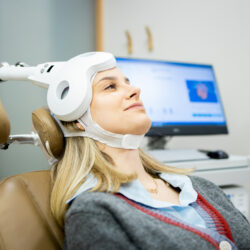
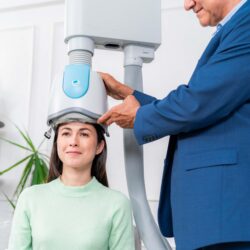
Transcranial Magnetic Stimulation (TMS) is an FDA-cleared, non-invasive procedure first approved in 2008 for treatment-resistant major depressive disorder. It uses magnetic pulses delivered to the scalp to stimulate underactive mood circuits in the prefrontal cortex. A typical course involves 5 sessions per week for about 6 weeks. No anesthesia, no systemic medication, no memory loss.
In a randomized trial comparing TMS to a medication switch, TMS produced a response rate of 37.5% versus 14.6% for the medication switch-and remission rates of 27.1% versus just 4.9%. TMS has also shown growing research support for certain anxiety disorders and obsessive compulsive disorder.
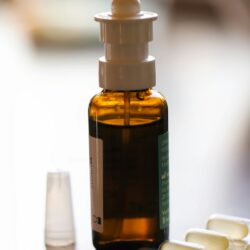
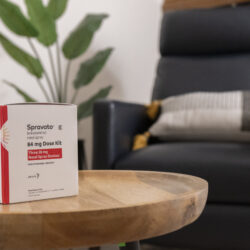
Spravato® (esketamine) is an FDA-approved nasal spray for treatment-resistant depression, available since 2019, administered in certified clinics under observation. Unlike SSRIs, it targets glutamate systems, often producing symptom relief within hours to days rather than weeks. In clinical trials, remission rates reached approximately 48% versus 30% for placebo at four weeks, and maintenance studies showed continued remission in 65% of patients on Spravato® versus 42% on placebo.
Both TMS and Spravato® are examples of treatment that go beyond standard daily pills, offering real hope for people who once believed they had exhausted their options.
TMS vs Medication: How It Compares
For patients who have tried antidepressants without adequate relief, TMS offers a fundamentally different approach that does not involve taking a pill at all.
During each session, an electromagnetic coil delivers targeted magnetic pulses to the left dorsolateral prefrontal cortex, the area of the brain most associated with mood regulation and depression. These pulses stimulate nerve cells in regions that have reduced activity during depression, essentially waking them back up.
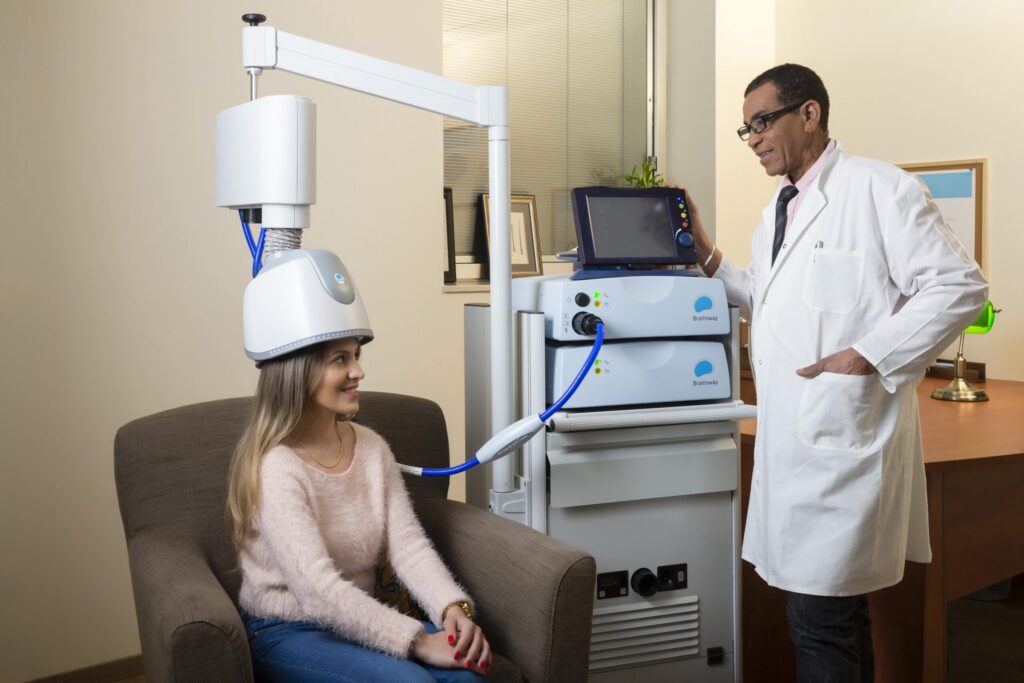
Here is how TMS differs from medication in practical terms:
- No systemic side effects. Antidepressants can cause weight gain, sexual dysfunction, GI upset, and emotional blunting. TMS side effects are localized to mild scalp discomfort or a temporary headache, both of which typically resolve within the first few sessions
- No daily pill. TMS sessions are typically five days a week for four to six weeks. Outside of those sessions there is nothing to take or manage
- No anesthesia or recovery time. Each session lasts 20 to 40 minutes and patients can drive themselves home immediately afterward and return to normal activities the same day
- No cognitive impairment. Unlike ECT, TMS has not been shown to cause memory loss or confusion. Many patients report clearer thinking as depression improves
TMS is FDA-cleared for major depressive disorder (MDD), obsessive compulsive disorder (OCD), and smoking cessation. At Oasis Mental Health Centers, we use BrainsWay Deep TMS technology, which reaches deeper and broader areas of the brain than standard TMS devices to treat MDD, including anxious depression.
Research supports TMS as a highly effective option for treatment-resistant depression. A double-blind controlled study using high doses of magnetic brain stimulation found that approximately 80% of participants with severe depression experienced remission.
Spravato® vs Medication: How It Compares
Spravato® offers something that no antidepressant currently can: rapid relief from depression symptoms, often within hours of the first session.
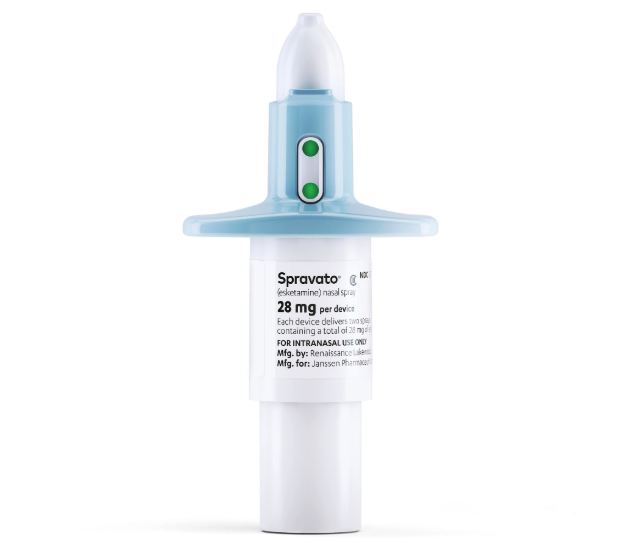
Where antidepressants adjust serotonin, norepinephrine, or dopamine levels gradually over weeks, Spravato® works on an entirely different system in the brain. Esketamine, the active ingredient in Spravato®, blocks NMDA receptors in the glutamate system, triggering a surge of glutamate that helps the brain form new neural connections involved in mood regulation.
In practical terms, it helps rebuild the communication pathways that chronic depression breaks down.
Here is how Spravato® differs from medication in practical terms:
- Rapid onset. Clinical data shows Spravato® can begin improving depression symptoms as early as 24 hours, compared to four to eight weeks for most antidepressants
- No daily pill required. As of January 2025, Spravato® is FDA-approved as the first and only monotherapy for treatment-resistant depression, meaning it can be used on its own without a concurrent oral antidepressant
- Strong clinical results. Clinical data shows a 75.9% response rate and a 55.7% remission rate among patients treated with Spravato®
- Covered by insurance. Oasis Mental Health Centers accepts all major health insurance plans in New Jersey. Medicare, Medicaid, Tricare, and major commercial plans all cover Spravato® for FDA-approved uses when prior authorization criteria are met
- Administered in a certified setting. Spravato® is given twice a week for the first four weeks at a certified treatment center like Oasis, under direct clinical supervision, and is never sent home with patients
Spravato® is FDA-approved for treatment-resistant depression in adults and for depressive symptoms in adults with major depressive disorder who have acute suicidal ideation or behavior.
How to Know Which Option Is Right for You
The most honest answer to which option is right for you is one that requires a real conversation.
At Oasis Mental Health Centers across New Jersey, our first conversation is focused entirely on understanding your history, your symptoms, and what you have already tried, so we can recommend the path most likely to work for you specifically.
There is no pressure and no obligation. Just a straightforward 10 to 15 minute conversation about what comes next.
Frequently Asked Questions
Can I be treated for depression without taking daily antidepressant pills?
Yes. Many people with mild to moderate depression improve with non-pharmacologic treatments such as CBT, DBT, TMS, and structured exercise programs. In certain cases, interventional options like Spravato® provide an alternative that isn’t taken daily at home. A mental health professional will assess safety factors-including suicidal thoughts, psychosis, or a history of bipolar disorder-before recommending a plan that does or does not include daily medication. Therapy alone can improve symptoms and improve mood for many people when symptom severity is manageable.
Is TMS safe, and what does a typical session feel like?
TMS is FDA-cleared, non-invasive, and has been used in clinical practice since the late 2000s. The most common side effects are mild scalp discomfort and temporary headache during the first week, which typically resolve quickly. During a session, you sit in a chair, remain fully awake, and feel tapping sensations on your scalp for about 20-40 minutes. You can talk with staff or simply relax. There is no anesthesia, no sedation, and no memory loss involved-making it very different from procedures like ECT.
How is Spravato® different from ketamine infusions and from standard antidepressants?
Spravato® is a specific esketamine nasal spray product approved by the FDA for treatment-resistant depression, administered only in certified clinics under observation with structured dosing schedules and insurance pathways.
IV ketamine is an off-label use that lacks the same standardized protocols. Both act primarily on glutamate systems and often work much faster than SSRIs or SNRIs, which focus on serotonin and norepinephrine. Standard antidepressants typically require several weeks to improve mood, while Spravato® can produce noticeable changes within days.
Will I have to stay on psychiatric medication forever if I start it?
Many people do not need to remain on medication for life. The American Psychiatric Association recommends continuing an effective antidepressant for at least four to nine months after full remission, then reassessing with the prescriber.
Some individuals with recurrent severe depression, bipolar disorder, or certain anxiety disorders may benefit from longer-term maintenance medication. Any decision to continue or taper should be made slowly and collaboratively with a prescribing professional-never abruptly on your own.