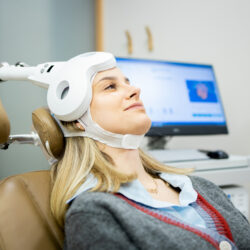


You finished your last TMS session. TMS, or transcranial magnetic stimulation, is a noninvasive outpatient treatment that uses magnetic pulses to stimulate the brain, most often for depression, anxiety, OCD, PTSD, and related conditions. Maybe you’re sleeping better, or the fog has lifted. That’s worth celebrating.
Then a quieter thought slips in: what if it doesn’t last?
If you’ve been there, you’re not alone. It’s one of the most common worries people have once treatment ends, whether you’ve already completed TMS or you’re considering it and want to know what comes next. When you’ve finally felt better, the idea of sliding back is scary, which is why it helps to know how long benefits can last, how to spot early signs that symptoms are returning, and what kind of follow-up care is available.
The good news is that finishing your course doesn’t mean you’re on your own. Here’s what life after TMS can look like, including maintenance treatment and booster sessions, how to stay well between visits, what insurance may cover, and where ongoing support fits in if you need a little extra help.
What is maintenance transcranial magnetic stimulation (TMS)?
Maintenance TMS means continuing sessions on a lighter schedule after your main course ends. Instead of five days a week, when most people have treatment sessions five times a week for four to six weeks, you might come in once a week, then every other week, then once a month. The idea is to help hold onto the progress you’ve made.
Not everyone needs it. Some people finish treatment and feel steady for a long time without anything more. Symptom relief may take a few weeks of treatment, which helps explain why some people later choose maintenance if benefits start to fade. Others, especially those who’ve had several episodes in the past, find that regular check-ins give them peace of mind.
There isn’t one schedule that fits everybody. Your doctor will look at your history, how you responded to treatment, and how you’re feeling now, then help you decide whether maintenance makes sense and what it should look like.
Booster sessions and re-treatment for major depressive disorder
Say you finish Repetitive TMS after a full course that delivers repeated magnetic pulses and often involves about 30 sessions over several weeks; the first appointment is typically about an hour for mapping, while later visits follow the regular treatment schedule. That doesn’t mean TMS failed, and it doesn’t mean you’re back at square one.
This is where booster sessions come in. A ‘booster’ is a short series of sessions meant to give your brain a tune-up when symptoms start returning. If things have slipped further, your doctor may suggest a full second course instead.
Here’s what a lot of people find reassuring: if TMS helped you the first time, that’s a meaningful sign it can help again, especially since TMS helps about 50-60% of people with treatment-resistant depression and is FDA-approved for major depressive disorder, with that approval dating to 2008. You already know what the chair feels like, the routine is familiar, and your care team already has your history and settings on file. Coming back usually feels a lot less daunting than starting the first time.
Early signs and side effects worth paying attention to
The sooner you catch a shift, the easier it is to get ahead of it. You know yourself better than anyone, but here are a few things patients often notice first as depression symptoms start to return:
- Sleep changes. Trouble falling asleep, waking up at 3 a.m., or suddenly sleeping way more than usual.
- Pulling away. Canceling plans, ignoring texts, or feeling like seeing people takes too much out of you.
- Losing interest. The hobbies, shows, or people you were enjoying again start feeling flat.
- Old thoughts or urges returning. Intrusive thoughts, cravings, rising anxiety, or a familiar heaviness coming back.
- Little things feeling big. Showering, answering emails, or making dinner starts to feel like a mountain.
Common side effects are generally mild, with headaches affecting about 50% of patients and scalp discomfort affecting about one-third. Your provider can adjust the stimulation level or suggest an over-the-counter pain reliever to reduce symptoms.
One off day isn’t a relapse. Everyone has bad weeks. But if something lasts more than a week or two, or just feels off in a way you recognize, call your health care team. Reaching out early is a smart move, not an overreaction, and it can help address returning depressive symptoms before they worsen.
Staying well between TMS therapy sessions
TMS therapy is one tool, and it works best alongside the rest of your care. If you’re seeing a therapist or taking medication, keep your doctor in the loop before changing anything; unlike antidepressants, it does not involve the systemic side effects those medications can cause, but any change to your care should still be discussed with your doctor. Therapy in particular can help you build on the momentum TMS gives you, because an electromagnetic coil, or TMS coil, is placed against the scalp and electrical current in the coil creates a magnetic field that reaches the brain involved in mood regulation. This is how TMS works to stimulate nerve cells in the dorsolateral prefrontal cortex without directly sending electricity into the head and may improve symptoms. Medication and psychotherapy are often the first line treatments, and TMS is commonly considered when other depression treatments have not helped enough. approved tms is FDA-approved for depression, obsessive compulsive disorder, migraines, and to assist smoking cessation after standard treatments fail. It is also being researched for other conditions, including epilepsy and pain management.
The everyday stuff matters too. A steady sleep schedule, moving your body in whatever way you can, and staying in touch with people who make you feel like yourself all help. None of it has to be perfect. Small, steady habits do more than big bursts of effort.
And if you came to TMS for smoking, drinking, or other cravings, remember that other treatments and support systems still matter between sessions, whether that’s a group, a sponsor, a friend, or your care team, especially when discussing mood disorders such as bipolar disorder.
What about insurance?
Coverage for maintenance and booster sessions varies a lot from plan to plan. Some insurers cover a second full course if you responded well the first time and your symptoms have returned. Ongoing maintenance sessions can be harder to get approved.
You don’t have to figure that out on your own. Our team can check what your plan covers before you decide on anything, so there are no surprises. If needed, a primary care provider can also help start the process by submitting a referral or consultation request.
We’re still here after your last session
Finishing transcranial magnetic stimulation (TMS) isn’t goodbye. At Oasis, we want to be part of the long haul with you, whether that means a quick check-in, a few booster sessions, or just answering a question that’s been nagging you, since this is a noninvasive form of brain stimulation and an outpatient TMS treatment.
TMS procedure follow-up is usually easy to plan because it does not require anesthesia or sedation; unlike electroconvulsive therapy, it is also not associated with memory loss. Electroconvulsive therapy can still help some people with severe or treatment-resistant major depression, including episodes that may involve suicidal thoughts. Most sessions last about 20 to 40 minutes, though some clinics describe them as 30 to 60 minutes depending on the protocol. The tms device also makes loud clicking sounds during treatment, so patients wear ear protection. It is not appropriate for people with certain metal implant devices in or near the head, though dental fillings are generally not a problem. If you’ve finished treatment and want to talk about a plan for staying well, or you’re noticing old symptoms coming back, speak with a mental health provider or our care team about next-step treatment options. We’ll talk it through with you and check your insurance for free. Deep TMS uses a different magnetic coil design to reach broader or deeper brain areas than standard repetitive brain stimulation, and setup may include stimulation over the motor cortex to find the motor threshold. During setup, the physician adjusts the magnetic coil until a small thumb or finger twitch appears, which helps calibrate treatment. It does not require surgery, unlike vagus nerve stimulation and deep brain stimulation. Those options are more invasive because they rely on implanted devices or electrodes.
Results may vary. Individual results are not guaranteed.